



-
本所概况
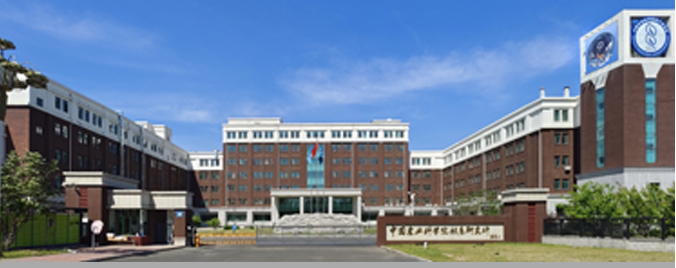
中国农业科学院特产研究所(简称特产所)建于 1956 年,是全国唯一的专门从事特种经济动植物资源保护、开发与利用的国家级综合性农业科研机构,也是中国农科院在吉林省的唯一直属单位,主要研究对象为珍贵、稀有、经济价值高的特种经济动植物。
-
机构设置
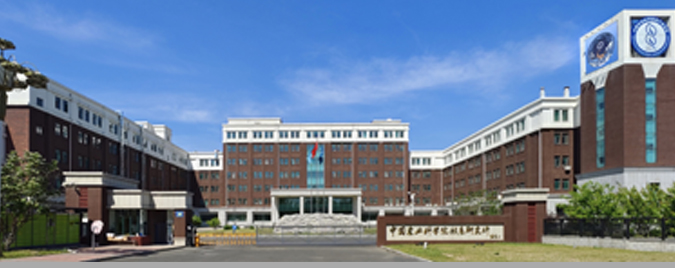
本所构建了分工清晰、运转高效的组织体系,下设创新团队、支撑部门、职能部门与所办企业四大板块,其中创新团队主攻科研攻关,支撑部门提供技术保障,职能部门负责行政管理,所办企业推动成果转化。
-
科技创新
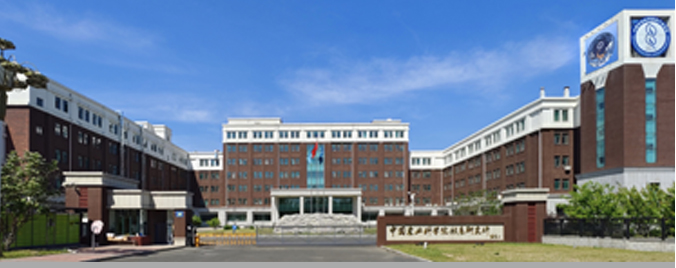
本所持续完善科研创新体系,稳步建设各级科研平台,聚力开展特种经济动植物领域基础研究与技术攻关,为产业发展提供坚实科技支撑,全面提升核心科研竞争力。
-
人才队伍
-
成果转化
本所聚焦特种经济动植物资源保护、开发与利用,统筹承担乡村振兴、科技帮扶、知识产权管理等任务。以智慧农业、绿色低碳、宠物经济三大协同创新中心为核心抓手,重点推进成果转化、示范推广与科企协同,加速产业化项目共建落地,以科技赋能特色产业高质量发展。
-
学会刊物
特产学会与特种经济动物兽医分会搭建行业学术交流网络,《特产研究》《特种经济动植物》专注刊载特种经济动植物科研成果,汇聚科研力量,传播前沿技术,为产业发展搭建高水平学术阵地。
-
研究生教育
充分发挥专家团队、科研平台与科研资源优势,现已构建起涵盖博士、学术硕士、留学生及专业学位研究生的多层次人才培养体系。
-
党建文化
 首页
首页科研成果

论文
Investigation of Immunological Parameters Following the Administration of Temperature-Processed Panax quinquefolius L. in Mice
作者:Jiyue Sha, Yanting Zhang, Wei Li, Hongxia Yu, Yushun Lu, Zhiman Li, Di Qu, Yingying Shi, Zhengbo Liu, Yinshi Sun
刊物名称:Journal of Food Biochemistry
发表年月:March 2026
摘要内容:Thermal processing is the most common drying method for Panax quinquefolius L. (PQ). This study aimed to investigate the regulatory effects of PQ treated at constant and different temperatures on cyclophosphamide (CTX)-induced immunosuppression in mice. Routine HE staining was used to observe the pathological changes of the spleen, ELISA measured cytokine levels, lymphocyte subsets in the spleen were measured by flow cytometry, and MAPK signaling pathway protein expression was detected by Western blotting. The results showed that PQ treated at constant and different temperatures could slow down the weight loss and immune organ damage and improve the proliferation rate of splenic T lymphocytes, phagocytosis of macrophages, and white blood cell count in immunosuppressed mice. In addition, the serum levels of TNF-α, IFN-γ, IL-2, IL-4, IgA, IgG, and IgM were significantly increased, and the expression levels of spleen proteins p-P38, p-JNK, and p-ERK were also significantly increased in mice treated with PQ treated with different processing methods, and the effect of PQ treated with constant temperature was more significant. Therefore, PQ after heat treatment is a potent immunomodulator, and the processing pattern has some effects on the immunocompetence of PQ.
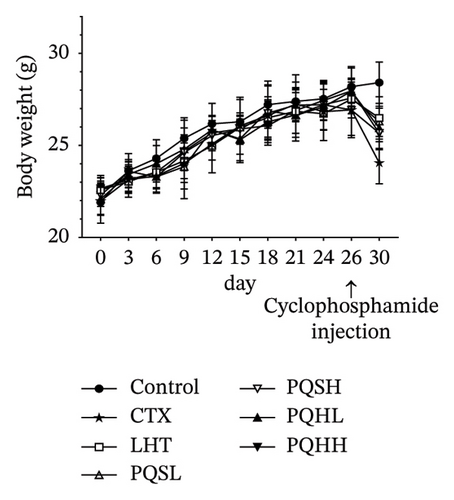
FIGURE 1 Effects of PQS and PQH on body weight and immune organ indices in mice. Body weight (a), thymus index (b), spleen index (c), spleen histopathology in mice (d) (scale bar = 200 μm, objective: 10 ×; scale bar = 50 μm, objective: 40 ×). The statistical significance was analyzed using one-way ANOVA (n = 8, means ± SEM). ∗p < 0.05, ∗∗p < 0.01, ∗∗∗p < 0.001, ns: p > 0.5.
原文链接:https://doi.org/10.1155/jfbc/8323863